
DaVinci Wide Gamut Power Grade
V1.0 DCTL

INTRODUCTION
After hours in Resolve, creating simple node trees without real structure, I came across Darren Mostyn’s video on YouTube, explaining the importance and effectiveness of a Node Tree structure while color grading.
While at first just copying it, I started implementing different steps into it, combining them into compound nodes, with a look node, a subtractive saturation compound node as well as the grading compound node.
DaVinci Wide Gamut Intermediate
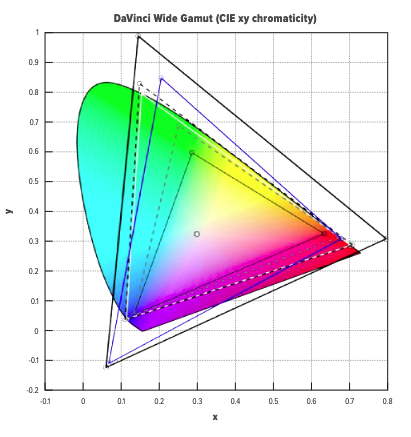
Created by Blackmagic Design, DaVinci Wide Gamut is a so-called “intermediate” color space, allowing for more flexibility in color grading.
While most displays and monitors are capable of either Rec.709 or sRGB, grading in these color spaces reduces the correction of i.e. highlights, shadows and contrast a lot, as they are narrower than even most camera color spaces, such as sLog-3 or Arri LogC4.
To combat this little flexibility, it is highly advised to transform the cameras color space to an Intermediate, trhough the use of a color space transform OFX in Resolve. This allows thus for much more playroom and thus a nicer looking final image.
Here is Blackmagic Design’s paper on their own color space.
THE POWERGRADE
Finally, here is the powergrade, with a download link.
I decided to create the power grade with a CST node at both beginning and end Resolve’s CST OFX. This is so that the camera’s color space can be changed to Wide Gamut Intermediate and then at the end of it, to be transformed to the monitor or display’s color space, depending on which is used.
I highly encourage each one of you to use and adjust these power grades to your needs and likings and I am open for adjustment ideas too.
